AmaZeus: Merge & Shoot
- 4.2
- Rating
- 100.00K
- Installs
- Free
- Price

 Analysis by App-foxy
I approached AmaZeus: Merge & Shoot expecting a compact role-playing game built around quick decisions rather than a long, complicated campaign. Its “strategy meets adventure” idea is a useful way to understand the appeal: the game asks you to think about what you combine and how you handle the next encounter, while still keeping the experience approachable enough for short sessions. After spending time with it, I see the main attraction in that balance. It is more involved than a completely passive casual game, but it does not demand the kind of extended attention usually associated with larger role-playing adventures.
The game comes from Geisha Tokyo, Inc. and is free to start, with optional purchases ranging from $0.99 to $99.99 per item. That pricing detail matters because the best way to enjoy it is to treat the early experience as a test of whether its merge-and-action rhythm suits you, rather than assuming that spending will automatically improve the experience. It is aimed at Everyone 10+, and the current version is 1.4.27.
How fast the game feels in ordinary play
My first impression was that AmaZeus is designed for momentum. The merge element gives each turn or action a clear purpose: I am not simply waiting for a character to attack, but considering whether a combination will leave me better prepared for what follows. That extra decision makes the game feel more active than a straightforward auto-battle role-playing title, even when the individual actions are easy to understand.
You May Also Like

 Blood Strike: 2.5 Anniversary
Blood Strike’s Loadouts Turn Every Drop Into a Tactical Gamble
A close look at Blood Strike’s custom loadouts: how fast access to signature weapons reshapes its battle royale rhythm, rewards preparation, and narrows the gap between fights.

 Pandora - Music & Podcasts
Pandora’s Music Is Easy to Start, but Harder to Recover
Pandora’s strength is its low-effort path from a seed to a station. Its weak spot is how much confidence it asks you to place in connection, setup, and quiet recovery.

 8 Ball Pool
 Is Built on Rivalries, Rematches, and Routine
A close look at the rivalries, rematches, shared routines, and unanswered safety questions that turn a quick pool match into a persistent mobile community.

 Samsung Music
’s Quiet Strength Is Playing What You Already Own
Its reach comes less from spectacle than from dependable access to a personal library. That simplicity is both the app’s strongest retention engine and its ceiling.

 AccuWeather: Weather Radar
AccuWeather Review: A Quick, Clear Forecast for Everyday Decisions
For everyday plans, the best forecast is the one you can understand quickly. AccuWeather makes rain timing, radar, and local conditions easy to act on, with a few trade-offs.

 Hill Climb Racing
Why Hill Climb Racing Still Turns Crashes Into One More Run
A tiny car, a bumpy hill and one more upgrade: Hill Climb Racing keeps resurfacing because its simple chaos makes every near-miss feel personal.
More From Our News Desk



The speed is best judged by how quickly I can return to a meaningful choice. A good session should not feel like a sequence of menus separating the interesting moments. Here, the appeal comes from keeping the cycle compact: assess the situation, make a merge or tactical choice, shoot or advance, then prepare for the next problem. When that rhythm works, it is easy to fit a little progress into a break without feeling that I have started something I cannot finish.
That does not mean every player will experience the pace in the same way. Anyone looking for rapid reflex combat may find the strategic layer more deliberate than the title suggests. The shooting theme adds energy, but the central satisfaction comes from planning combinations and managing opportunities. I would describe it as brisk decision-making rather than an action game that tests reaction speed.
A useful habit is to avoid making the first available merge automatically. I found the game more rewarding when I paused long enough to consider whether the immediate improvement was actually better than preserving flexibility for the next encounter. That small delay can make the difference between simply clearing a moment and building a stronger position. It is also one of the reasons the game feels more like a role-playing strategy experience than a basic matching diversion.
Short sessions work better than marathon expectations
For everyday use, I would place it in the same general space as a game played during a commute, a waiting room, or a quiet evening break. A realistic scenario would be opening it after lunch, completing a few decisions while your attention is available, and stopping before the session turns into background tapping. The format is more comfortable when I treat each visit as a small tactical outing instead of expecting the depth of a console-length adventure.
The game is also a reasonable choice for players who like progression but dislike learning a large set of systems at once. Its premise gives the player an obvious question to answer: what should be merged, and how will that affect the next shot or encounter? That focus can be easier to approach than a traditional role-playing game filled with equipment screens, character builds, quests, and dense dialogue.
On the other hand, players who want a story-heavy journey may find the concept too centered on its action loop. A larger role-playing alternative will usually offer more narrative context, broader character development, and a world that rewards long uninterrupted sessions. AmaZeus makes more sense when the tactical interaction is the reason you are playing.
What happens when the session becomes demanding
The most interesting performance question is not how the game behaves during a quiet opening moment, but how comfortable it remains when several decisions arrive close together. Merge-based play can become mentally busy even when the controls are simple. I found that the heavier moments came from trying to evaluate the board or available options quickly while also thinking about the next attack. That pressure is part of the fun, but it can also expose whether the interface remains easy to read.
When the screen becomes crowded with choices, I recommend slowing down rather than treating every moment as a race. The game rewards a short planning pause because a careless combination can reduce the options available afterward. This is a non-obvious strength: the merge mechanic is not only a way to create stronger results, but also a way to manage future possibilities. Thinking one move ahead is often more useful than chasing the most obvious immediate upgrade.
Longer play sessions can create a different kind of burden. Even a game that feels light at first can become tiring when the player repeatedly makes similar decisions without a clear stopping point. I prefer using AmaZeus in defined blocks, especially when I want to preserve the strategic part of the experience. If I keep going after my attention drops, the game becomes less about thoughtful planning and more about completing actions by habit.
That distinction is important for younger players as well. The Everyone 10+ rating makes it accessible to a broad audience, but accessibility does not remove the need for sensible session limits. The game’s free entry point makes it easy to try, while the in-app purchase range means I would also keep spending decisions separate from the excitement of a difficult encounter. A frustrating moment is not a good reason to buy something immediately.
Managing resources without turning the game into a shopping exercise
The optional purchase structure is one of the practical issues I would consider before recommending it. The low entry price of free is attractive, but the available items can reach $99.99, so I would advise setting a personal limit before playing. That is especially sensible for anyone sharing a device or letting a younger family member try the game.
My approach would be to learn the basic loop first and only consider a purchase if it solves a specific annoyance rather than simply promising faster progress. In a strategy game, spending can sometimes remove the very decision-making that makes the game interesting. Preserving the challenge is often better value than eliminating every difficult section.
Another practical tip is to use the merge system as a planning tool instead of treating it as a reward animation. Before combining items or options, I would ask three questions: does this help with the current encounter, does it leave a useful follow-up choice, and am I spending something that may be harder to replace? Even without turning the game into a spreadsheet, this method makes the tactical layer clearer and reduces impulsive moves.
Reliability and the experience of returning later
Reliability is not only about whether a game starts. For a mobile role-playing title, I also care about whether it feels dependable when I return after a short break, whether progress is easy to understand, and whether the game lets me resume the intended activity without unnecessary friction. AmaZeus is most convincing when it keeps the focus on the next strategic decision instead of making the player reconstruct what was happening.
I would still approach any free-to-play game with the normal mobile precautions: keep the operating system current, install the game from the official app marketplace, and check purchase controls before handing over the device. Those are sensible habits rather than criticisms of this particular title. They matter here because the game combines a low entry barrier with optional purchases, making it easy to start casually.
The current release is 1.4.27, which gives prospective players a clear version reference when checking compatibility or deciding whether an update is available. I would not judge the game solely by the number, though. What matters in daily use is whether the version on your device opens cleanly, responds to input, and lets you continue without interruptions. Those are the first things I would test during the initial session.
Recovery is another point worth considering. If you are interrupted while playing, the ideal mobile experience is one that makes it obvious where you were and what decision comes next. I found that the game’s compact structure suits interruption better than a long story sequence would. Still, I would avoid beginning an important tactical moment when I know I may need to put the phone down immediately. The merge-and-shoot loop is simple to re-enter, but a rushed choice can still affect the outcome.
This is also where AmaZeus differs from a purely idle role-playing game. Idle alternatives are often better when you want progress to happen with minimal attention. Here, the value comes from being present enough to make choices. If you want to check a game once or twice and let it do most of the work, another option may suit you better. If you like returning to a situation and deciding how to handle it, this game has a stronger reason to keep your attention.
Device limits and what to expect from a modest phone
The minimum operating-system requirement is Android 6.0, so the game is not restricted to only the newest Android devices. That broad compatibility is useful for players with older phones, although operating-system support alone does not guarantee identical comfort on every model. Screen size, available storage, background apps, and the general condition of the device can all affect how pleasant a game feels.
On a smaller screen, the main concern is not necessarily raw speed but clarity. Merge choices and action prompts need to be easy to distinguish, especially during a busy encounter. I would pay attention during the first few sessions to whether icons or labels feel cramped and whether my finger can select the intended option consistently. If the interface feels crowded, a larger phone or tablet may make the strategic layer easier to enjoy even if the game itself runs.
Resource demands are best considered cautiously because the experience will vary by device. I would close demanding apps before playing on an older phone, keep some free storage available for updates, and avoid judging performance while the device is already hot or heavily multitasking. Those steps are particularly helpful during longer sessions, when any mobile game can feel less comfortable than it did during a quick test.
Battery use is another reason I would favor shorter visits over leaving the game open for hours. The game’s design naturally supports that approach: make a few decisions, complete a small stretch of progress, and return later. Players who need a game for a long offline journey should test it under their own conditions before relying on it as their only entertainment. A title that feels light during a brief break may be less suitable for continuous play.
Storage-conscious users should also remember that the initial installation is not the entire ownership experience. Updates and other apps compete for space over time. I would install it on a device with reasonable breathing room rather than filling the last available portion of storage. That is a simple step, but it can prevent avoidable update problems and make the phone feel more responsive generally.
Who will get the most from it
I would recommend AmaZeus to players who enjoy combining objects or options, making tactical choices, and seeing those choices lead into a shooting-oriented adventure. It is a good fit for someone who wants more involvement than an idle game provides but less complexity than a traditional role-playing epic. The free starting price also makes it easy to explore that fit without committing money at the beginning.
It is especially appealing if you like games that can be paused mentally between visits. You can approach a session with a small goal, such as understanding the next merge decision or testing whether a different combination produces a better result. That makes it useful for players who enjoy experimentation rather than following a single fixed solution.
I would not choose it for a player whose priority is deep character customization, a large narrative campaign, competitive multiplayer, or realistic shooting controls. Those expectations point toward different categories of games. I would also skip it if optional purchases are likely to create pressure, because the price range is wide enough that personal spending discipline matters.
My performance verdict after weighing speed, load, and fit
AmaZeus: Merge & Shoot works best as a focused mobile role-playing game with a clear tactical hook. Its perceived speed comes from the short distance between a decision and its result, while its strategic value comes from resisting automatic choices. The experience is not simply about moving quickly; it is about keeping enough attention to choose well.
Its main limitations are equally clear. The merge-and-shoot structure may feel narrow to players who need a broad adventure, and longer sessions can become mentally repetitive if the player stops engaging with the choices. The free model is welcoming, but the optional purchase range means I would establish boundaries before playing. On older devices, I would also test screen readability, heat, battery behavior, and responsiveness rather than assuming that the minimum operating-system requirement tells the whole story.
The game has earned a 4.1 average from around 1.3 thousand ratings, with over 100 thousand installs and 86 written reviews. Those figures suggest a real audience and give useful context, but they do not replace personal testing. The most important question is whether you enjoy the particular decision loop: merging with a plan, acting on the result, and adapting when the next situation changes.
My final recommendation is positive with conditions. Try it if you want a free, approachable strategy adventure that fits naturally into short mobile sessions and gives you more to think about than a passive progression game. Keep your purchases deliberate, use the merge system to preserve future options, and avoid judging the game only by its shooting theme. The real strength is the small tactical conversation between each combination and the action that follows. If that sounds satisfying, AmaZeus is worth installing; if you want a sprawling role-playing world or hands-off progress, a different alternative will serve you better.
FAQs for AmaZeus: Merge & Shoot
01What is AmaZeus: Merge & Shoot?
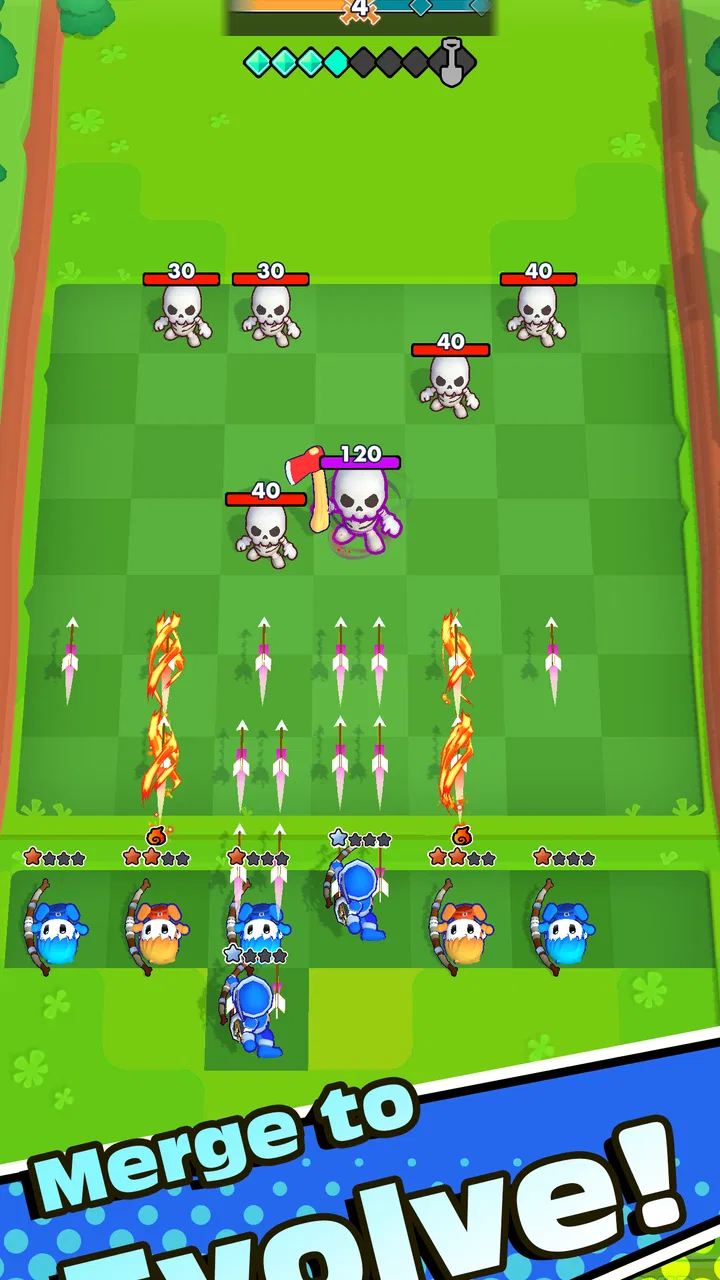
AmaZeus: Merge & Shoot is an engaging mobile game available on Android and iOS where players merge elements to form powerful weapons and shoot down obstacles. The game's unique blend of puzzle and action elements keeps players engaged with its innovative mechanics and vibrant graphics.
02How does the merging mechanic work in AmaZeus?
In AmaZeus, players merge similar elements to create more powerful weapons or tools. As you progress, the merging becomes more challenging, requiring strategic thinking to optimize your arsenal. This mechanic is central to the gameplay, adding a layer of depth and strategy.
03Are there in-app purchases in AmaZeus: Merge & Shoot?
Yes, AmaZeus offers in-app purchases to enhance the gaming experience. Players can buy items such as power-ups, extra lives, or special weapons. While these purchases can enhance gameplay, they are not mandatory for progressing, allowing players to enjoy the game without spending money.
04Is AmaZeus suitable for all age groups?
AmaZeus: Merge & Shoot is designed to be family-friendly, making it suitable for a wide range of age groups. Its intuitive controls and colorful graphics appeal to younger audiences, while the strategic elements and challenges provide depth for older players. However, parental guidance is advised for in-app purchases.
05What are the system requirements for AmaZeus on Android and iOS?
For Android, AmaZeus requires version 5.0 or higher, while iOS devices need iOS 10.0 or later. The game is optimized for both smartphones and tablets, ensuring a seamless experience. Adequate storage space and a stable internet connection are recommended for optimal performance.
Pros
- Engaging and addictive gameplay.
- Vibrant graphics and animations.
- Simple controls for all ages.
- Regular updates with new levels.
- Offline play available.
Cons
- In-app purchases can be pricey.
- Ads can be intrusive.
- Limited power-ups available.
- Occasional crashes reported.
- Requires frequent internet connection.

AmaZeus: Merge & Shoot
Gallery